
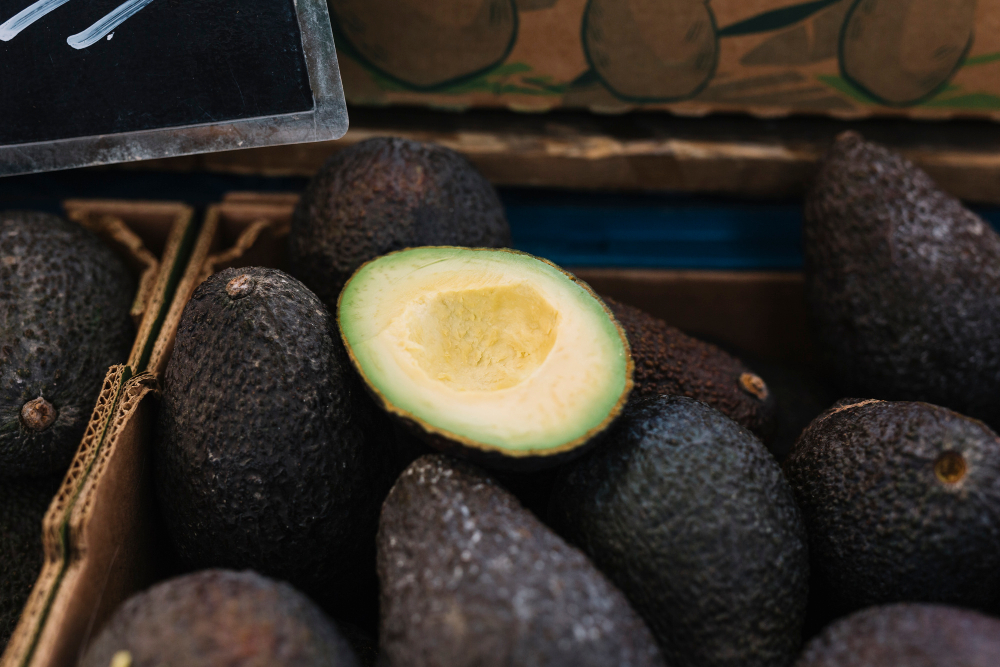
Avocado is one of the most in-demand ingredients in professional kitchens. It is also one of the hardest to manage. Its unpredictable ripening, rapid oxidation and short shelf life make it a weak point for any operation that needs consistent performance, controlled costs and stable quality across every plate.
This article explains in clear, business-oriented terms the difference between freeze drying and conventional dehydration — and why that technical detail has a direct impact on operational efficiency, standardized flavor, and profitability for any business that works with avocado on a daily basis.
The operational challenge of fresh avocado in professional kitchens
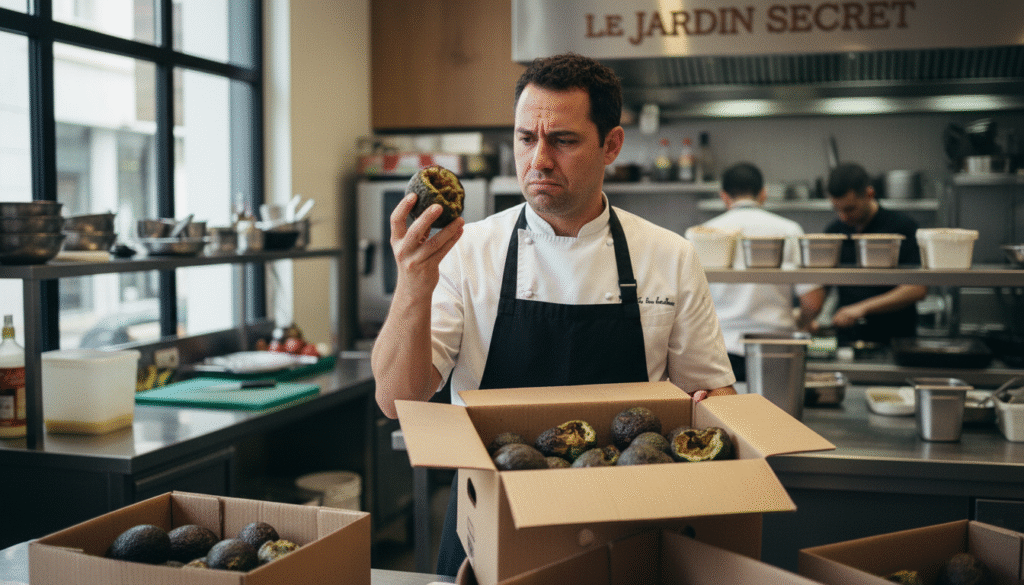
Fresh avocado is exceptional, but extremely difficult to manage at scale. It varies from day to day: too soft, too firm, oxidized, inconsistent in flavor, or simply unusable. It requires refrigeration, generates waste and demands time-consuming preparation.
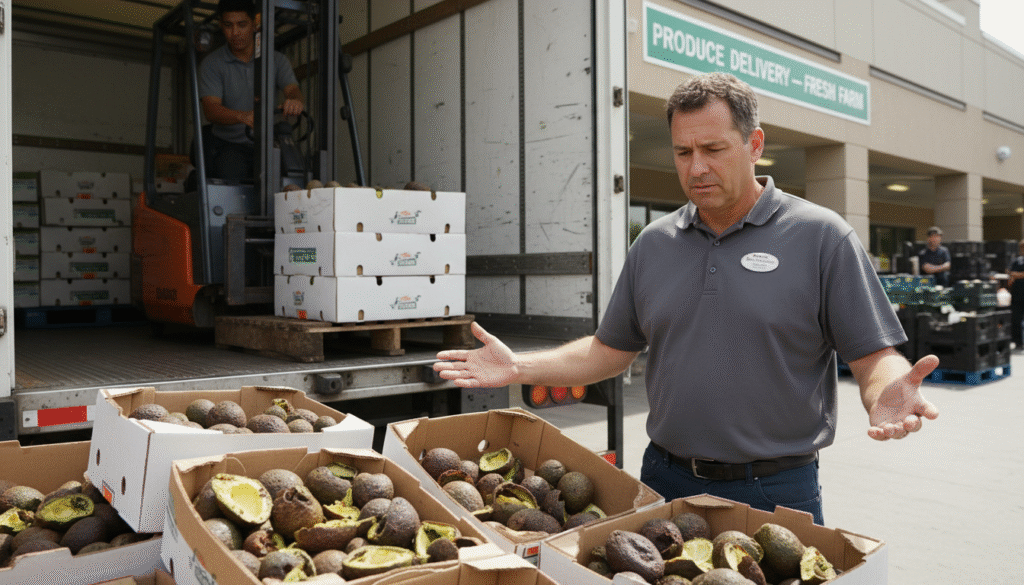
For professional kitchens, these factors translate into hidden costs that accumulate quickly. With fresh avocado, waste is not an exception it’s expected. This is why more businesses are turning to stable alternatives that allow greater control.
Why the foodservice industry is shifting toward more stable avocado formats
Foodservice depends on consistency. Quality alone is not enough; the ingredient must be reliable, uniform and easy to integrate into workflow. No kitchen can afford to rely on the unpredictable state of fresh avocado or spend time correcting its flaws.
Businesses look for:
- consistent flavor and texture
- measurable yield
- extended shelf life
- year-round availability
- reduced dependency on climate and ripening cycles
In this context, the method used to process the avocado directly affects cost structures, quality standards and operational continuity.
What dehydration is and how it affects quality, texture and color
Conventional dehydration relies on heat to remove water. While efficient in terms of speed, this high-temperature process significantly alters avocado:
- the green color turns brown
- the texture becomes leathery or rigid
- aroma is reduced
- heat-sensitive nutrients and healthy fats degrade
- rehydration does not restore natural creaminess
Although dehydration is functional, it is harsh on delicate foods like avocado. And in foodservice, any negative impact on quality eventually reaches the customer’s plate.
Operational limitations of dehydrated avocado for professional use
Beyond flavor and appearance, dehydrated avocado has practical drawbacks:
- incomplete rehydration makes it difficult to achieve the desired texture
- unpredictable yield
- lower customer acceptance
- unsuitable for applications requiring true creaminess
- inconsistent results from batch to batch
For operations that require precision, speed and predictable performance, these issues represent operational risk.
What freeze-drying is: a cold process that preserves real integrity
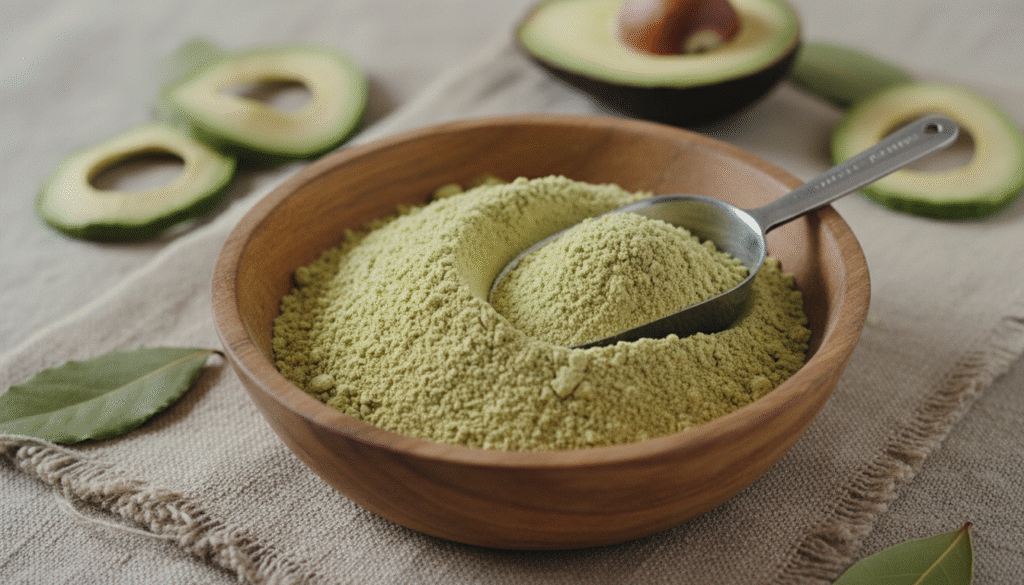
Freeze drying is a cold dehydration process. Instead of using heat, the avocado is rapidly frozen and the water is removed through vacuum sublimation.
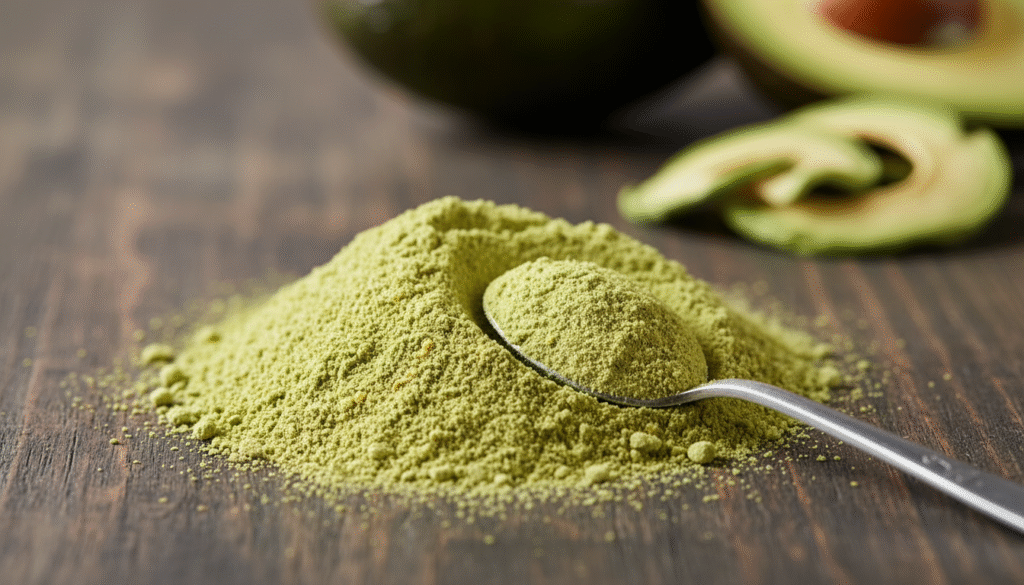
Two advantages make freeze drying ideal for the foodservice sector:
- it does not destroy sensitive nutrients
- it preserves color, flavor, aroma and cellular structure
The result is an avocado that retains up to 95% of its original properties and rehydrates efficiently, returning to a texture close to fresh pulp.
Freeze-dried avocado: measurable benefits in yield and efficiency
For professional kitchens, distributors and retailers, freeze-dried avocado delivers clear operational advantages:
Zero waste. Every gram is usable.
No refrigeration needed. Lower logistical and storage costs.
Quick rehydration. Ready to use in under one minute.
Full standardization. Same texture, color and flavor in every batch.
Simplified inventory. Extended shelf life and easy storage.
Freeze-dried avocado eliminates reliance on seasonality, quality fluctuations or unpredictable market supply.
Direct comparison: sensory and operational impact of freeze-dried vs. dehydrated
| Attribute | Freeze-Dried (Cold Dehydration) | Conventional Dehydration |
|---|---|---|
| Process | Freezing + vacuum | Heat + evaporation |
| Nutrient retention | Up to 95% | Significant loss |
| Color | Natural green | Brownish/oxidized |
| Texture | Rehydrates to creamy | Leathery, inconsistent |
| Aroma | Preserved | Noticeably reduced |
| Shelf life | Long, no refrigeration | Long, with quality loss |
| Professional use | High standardization | Irregular results |
Strategic advantages of freeze-dried avocado for foodservice and retail
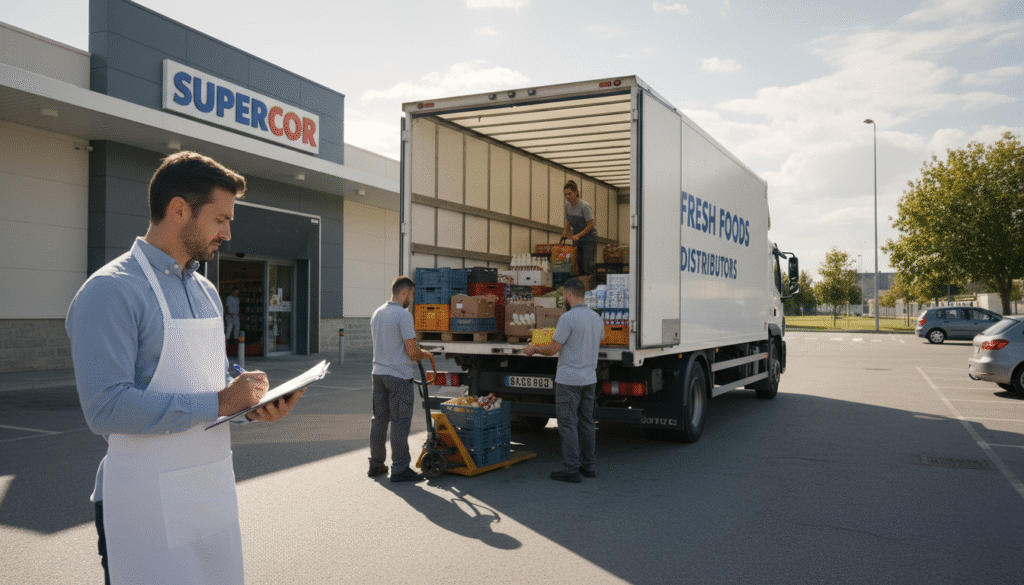
Freeze-dried avocado provides a clear competitive advantage:
- guaranteed year-round availability
- reduced operational risk
- predictable cost structure
- better inventory control
- more stable sensory quality
- better presentation and customer experience
- seamless integration into production processes
For restaurant chains and distributors, this translates into higher efficiency and more reliable service.
Why freeze drying is the logical choice for modern operations
When consistency, quality and performance matter, the preservation method is not a minor technical detail it’s a strategic decision.
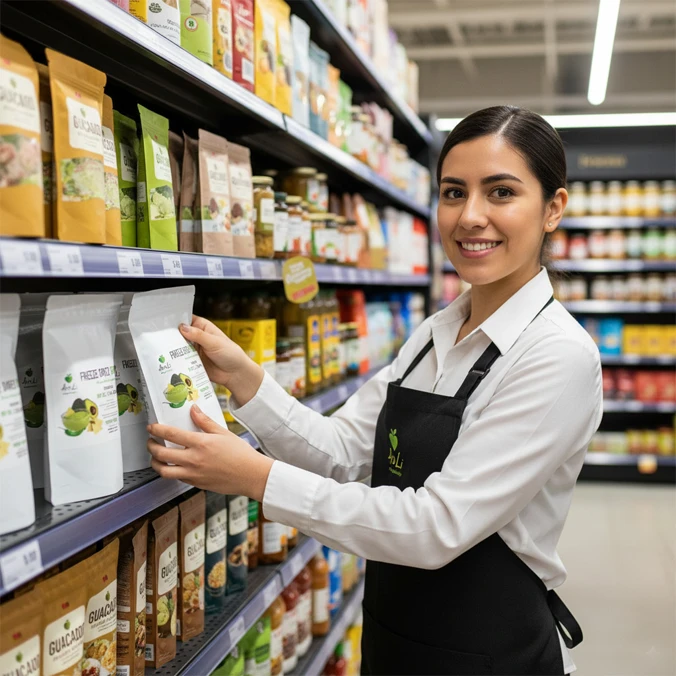
Freeze-dried avocado offers control, stability and exceptional quality in a format that reduces risk, streamlines operations and guarantees dependable results every day. For businesses that cannot afford disruptions, it is the most efficient and professional choice available.